Day 1 – Depart USA
Depart from the USA on an overnight flight to Milan.
Overnight: In Flight.

Architecture in Italy offers students a unique opportunity to engage with academic and design practitioners, explore Italian architectural frameworks, and gain cross-cultural perspectives on the relationship between structural engineering and urban heritage.
Over 15 days, participants will visit leading cultural institutions, meet with architectural and engineering experts, and explore historical, spatial, and structural traditions in Milan, Bologna, Florence, and Rome. The program combines academic learning, site visits, technical university networking, and cultural exploration, providing students with a well-rounded understanding of the interdisciplinary built environment in an international context.
Through interactive site visits, expert guest lectures, and hands-on experiences, students will gain insight into structural chemistry, urban regeneration, masonry engineering, and classical art history. Visits to organizations such as the Uffizi Gallery, the Politecnico di Milano, and Sapienza University will provide a deeper understanding of monumental conservation, Renaissance geometry, and the engineering behind massive masonry domes. The program also includes opportunities for students to engage with design practitioners, discuss the intersection of architecture and structural engineering, and explore how historical spatial movements shape modern urban design.
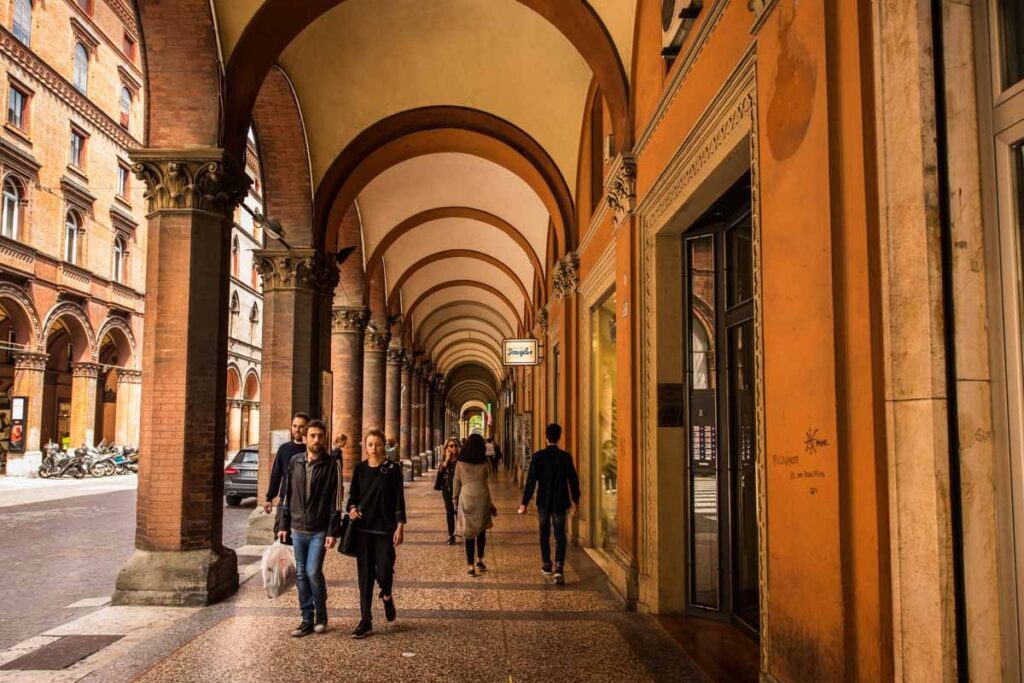
In addition to the academic and professional experiences, students will enjoy cultural immersion through guided tours, regional site visits, and local excursions, including walking tours of historic arts districts, a traditional Italian cooking class, and day trips to explore the unique lagoon urbanism in Venice and the UNESCO-listed porticoes in Bologna.
Day 1 – Depart USA
Depart from the USA on an overnight flight to Milan.
Overnight: In Flight.
Day 2 – Arrival in Milan
Overnight: Milan
Day 3 – Milan: Guided walking tour and Duomo di Milano
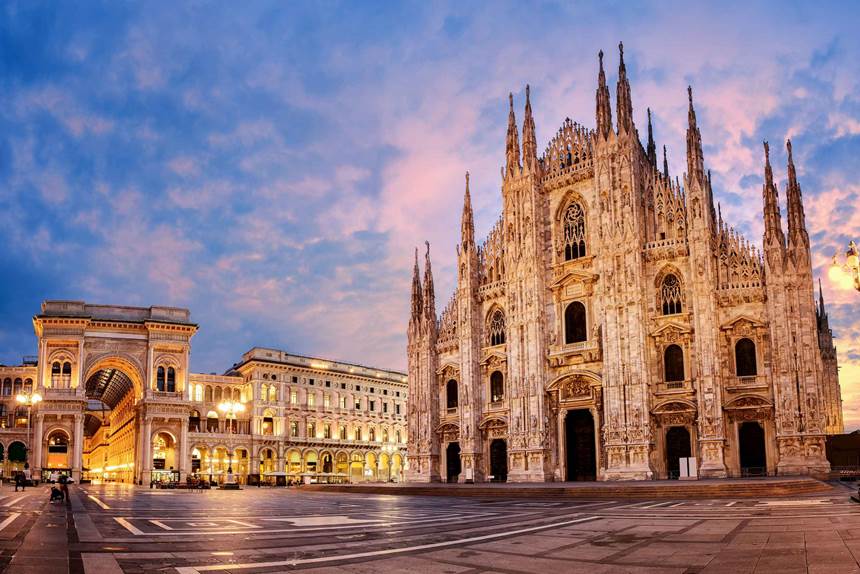
Students will make the most of the city and learn about its greatest artistic achievements. See the Duomo's stunning exterior, skip the lines to visit Leonardo's Last Supper, and explore the Sforzesco Castle gardens.
Overnight: Milan
Day 4 – Milan: Politecnico di Milano and Porta Nuova district.
Overnight: Milan
Day 5 – Milan: Pirelli Tower and Fondazione Prada
It stands as a powerful symbol of post-war Milan’s resurgence and one of the most iconic architectural masterpieces by the renowned Italian architect Giò Ponti, a landmark that perfectly embodies the city’s spirit of innovation, elegance, and modernity.
Fondazione Prada, co-chaired by Miuccia Prada and Patrizio Bertelli since 1995, is an institution dedicated to contemporary art and culture.
Overnight: Milan
Day 6 – From Milan to Bologna
Overnight: Bologna
Day 7 – Day trip to Venice
Overnight: Bologna
Day 8 -Bologna: Free day
Overnight: Bologna
Day 9 – Bologna to Florence
Overnight: Florence
Day 10 – Florence: Santa Maria del Fiore Cathedral and Walking tour of the city.
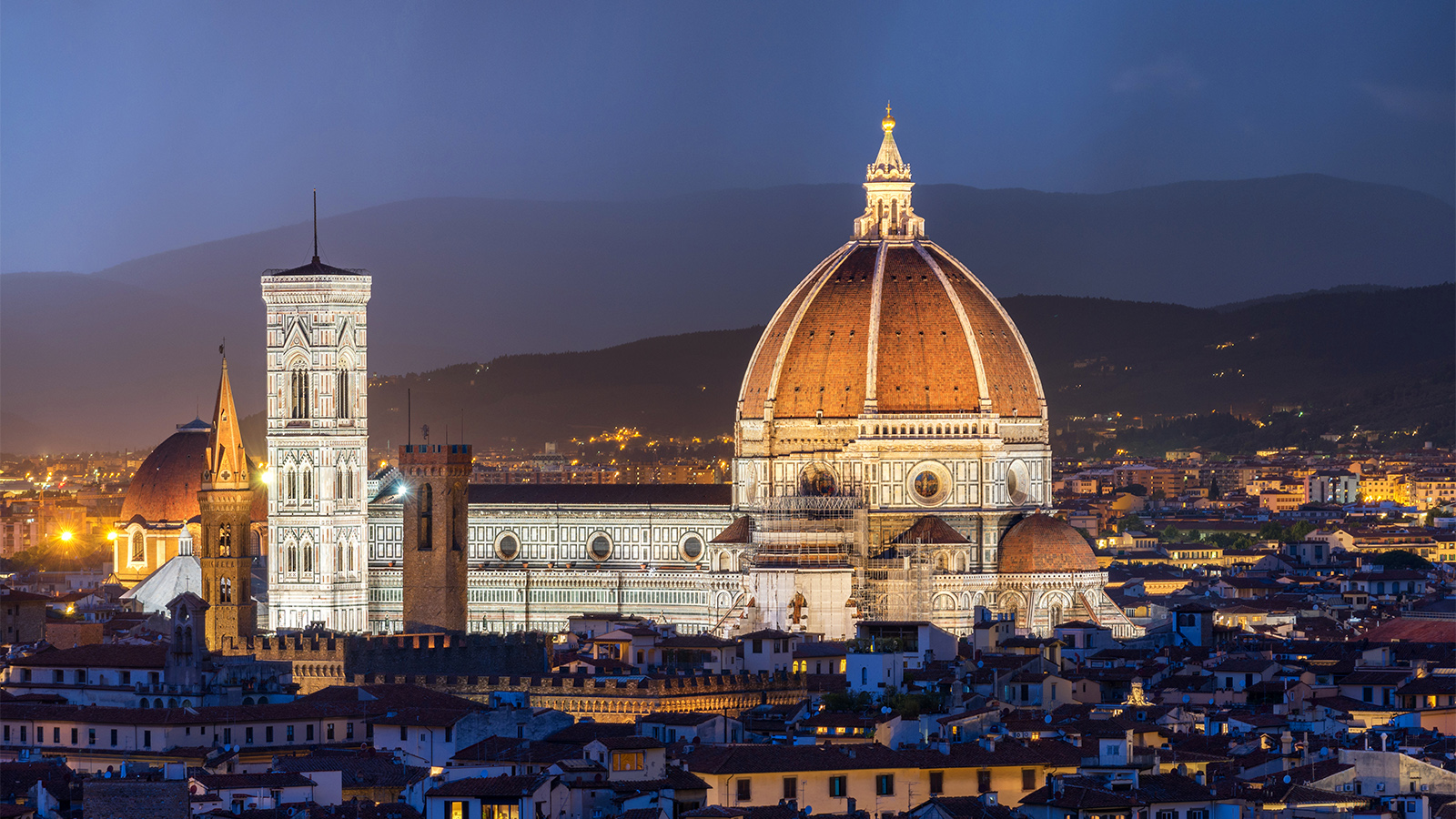
It is one of the largest churches in the world. The plan consists of a triple-nave basilica with the presbytery area nested within, dominated by the large octagon of the immense dome, around which are three radial apses, each consisting of five chapels. The first stone of the new cathedral was laid on 8 September 1296, and the task of erecting it was entrusted to Arnolfo di Cambio. His project was similar in plan but smaller than the current building, which instead corresponds to the expansion developed by Francesco Talenti, beginning in the mid-14th century. The church was consecrated at completion of the dome, by Pope Eugenio IV, on 25 March 1436.
Students will begin at Santa Maria del Fiore to analyze dual-shell structural mechanics of Brunelleschi’s Dome. Moving to Santa Maria Novella, the group will dissect the strict harmonic ratios and geometric proportions of Alberti’s classicized facade. The tour concludes at Piazza della Signoria, examining how Vasari’s Uffizi Corridor uses perspective and urban axes as permanent tools of political choreography and visual power.
Overnight: Florence
Day 11 – Florence: Uffizi Gallery and Brunelleschi’s Dome
It is an art museum adjacent to the Piazza della Signoria in the Historic Centre of Florence. It holds a collection of priceless works, particularly from the period of the Italian Renaissance. The Uffizi is one of the first modern museums. The gallery had been open to visitors by request since the sixteenth century, and in 1769 it was officially opened to the public, formally becoming a museum in 1865.
The visit takes place at the foot of the Dome, in a normally closed area below and beside the central choir, offering a full view of the structure. Construction of the Cathedral Dome of Santa Maria del Fiore began in Florence on 7 August 1420 under Filippo Brunelleschi’s supervision. Built in brick with its distinctive herringbone pattern, it remains the largest masonry dome in the world and one of Florence’s most remarkable architectural achievements.
Overnight: Florence
Day 12 – Florence to Rome
Students will begin at the Pantheon to analyze the structural chemistry of unreinforced Roman concrete, stepped rings, and the weight-reducing coffered dome. Moving to the Church of San Carlo alle Quattro Fontane, the group will dissect Francesco Borromini’s complex, undulating geometry and his revolutionary manipulation of cramped urban spaces. The tour concludes at Piazza Navona, examining how Gian Lorenzo Bernini integrated sculpture, water, and sightlines to transform a former Roman stadium into a theatrical masterclass of public urban staging.
Overnight: Rome
Day 13 – Rome: Sapienza University and MAXXI National Museum of 21st Century Art
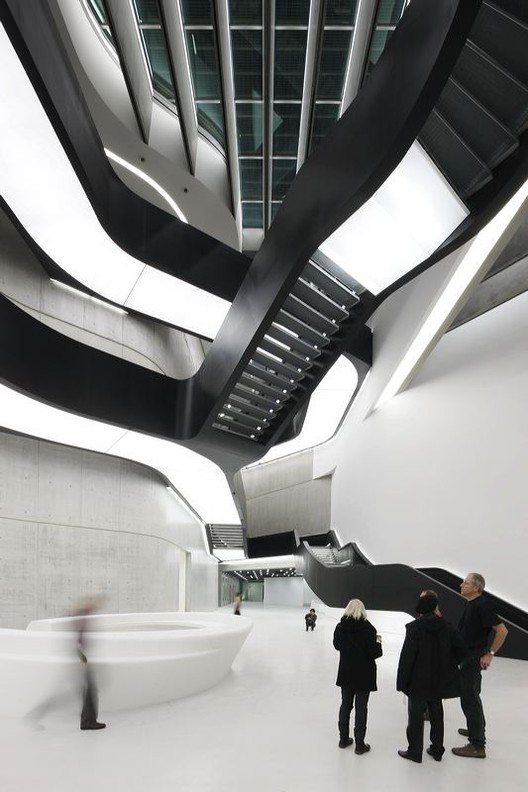
This is a museum of contemporary art and architecture. It is managed by a foundation created by the Italian Ministry of Culture. The building was designed by Zaha Hadid and won the Stirling Prize of the Royal Institute of British Architects in 2010.
Overnight: Rome
Day 14 – Rome: Free day
Overnight: Rome
Day 15 – Rome: Departure day
Students depart individually from Rome.
We would be delighted to work with you to facilitate a rich experience for your group in Italy. If you would like to discuss any of the details in this proposal please do not
hesitate to contact us.





We would be delighted to work with you to facilitate a rich experience for your group in Spain. If you would like to discuss any of the details in this proposal please do not hesitate to contact us.